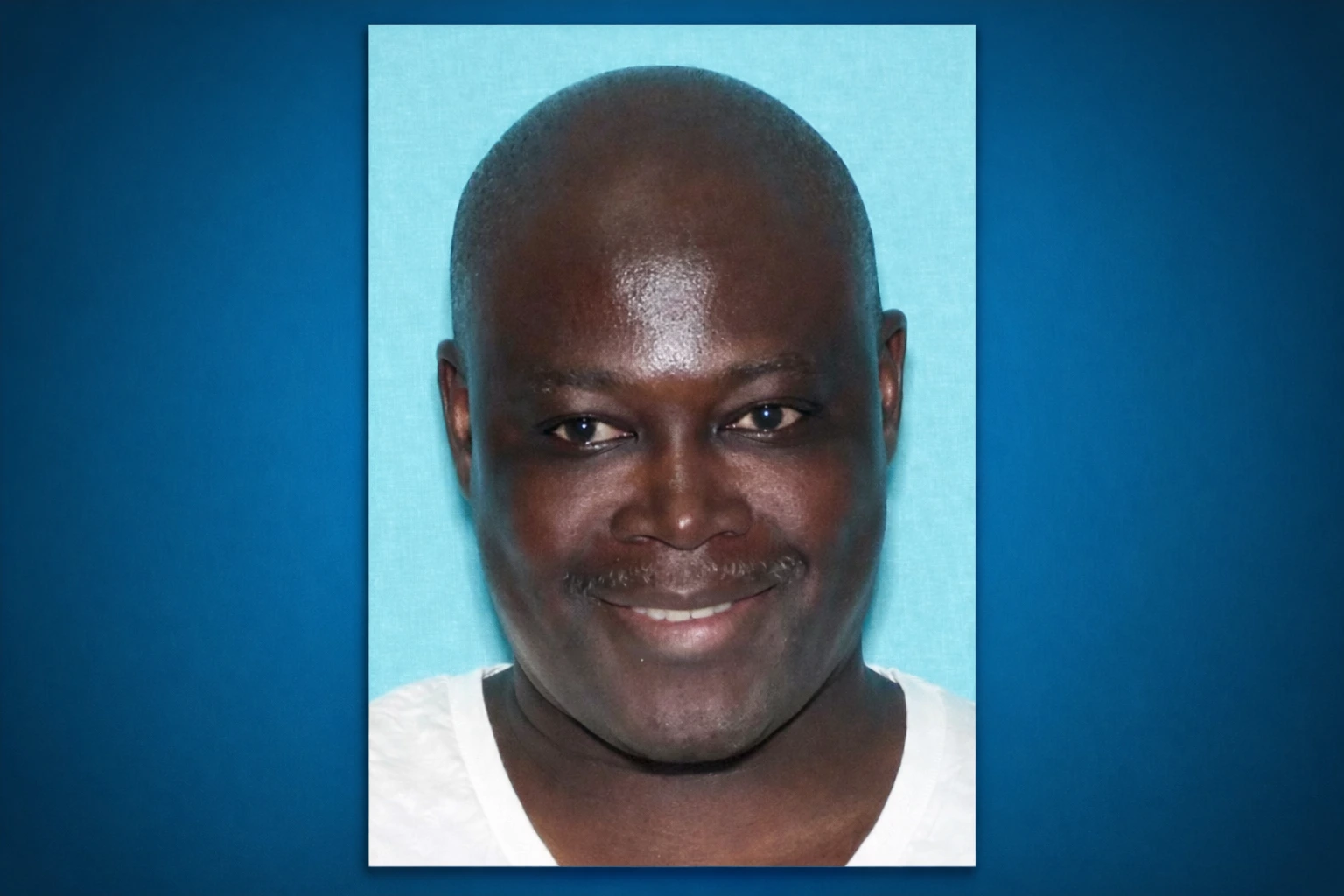
On the morning of March 1, 2026, downtown Austin, Texas was rocked by a deadly mass shooting outside Buford’s Backyard Beer Garden, a popular nightlife bar on West Sixth Street. The attack left multiple people dead and many more wounded, prompting a massive law enforcement response and an ongoing federal investigation.
Here’s a full breakdown of the Austin shooting, the suspect Ndiaga Diagne, what investigators have said so far, and what comes next.
What Happened in the Austin, Texas Shooting
Shortly before 2 a.m. local time, a gunman driving a large SUV reportedly circled the busy Sixth Street entertainment district multiple times before stopping near Buford’s bar and opening fire on people standing outside. After shooting from inside the vehicle, the suspect parked the SUV, exited with a firearm, and continued firing at pedestrians. Minutes later, responding Austin police officers confronted and fatally shot the attacker.
According to emergency response briefings:
- The first 911 call came in around 1:58 a.m., and officers were on scene within a minute, likely preventing even more carnage.
- In total, three people were killed, including the shooter, and 14 others were injured, with several in critical condition.
- Some early reports described it as a possible terrorism-linked attack, though officials have not confirmed a motive.
This was one of the most shocking acts of violence in Austin’s recent history, hitting a crowded nightlife spot near the university and drawing widespread media attention.
Who Was the Austin Shooter — Ndiaga Diagne
Law enforcement has identified the suspect in the Austin mass shooting as 53-year-old Ndiaga Diagne, a naturalized U.S. citizen originally from Senegal.
Here’s what is known so far about him:
- Diagne came to the United States in the early 2000s and became a lawful permanent resident before being naturalized as a U.S. citizen in 2013.
- He lived in the Pflugerville, Texas area, a suburb north of Austin, and had resided in Texas for several years before the shooting.
- At the time of the attack, he was wearing clothing with religious and cultural imagery, including a sweatshirt that read “Property of Allah” and other items that have drawn scrutiny from investigators.
Officials have said authorities are still piecing together details about his background, mental health history, and potential motives, including whether he was inspired by recent global events.
Victims and Community Impact
The shooting immediately sent shockwaves across the Austin, Texas community. Local leaders and residents expressed sorrow as authorities worked to identify the victims and support survivors.
- Several people shot that night were students, visitors, or employees of nearby bars on West Sixth Street, a hub for nightlife and entertainment.
- Hospitals in the area treated injured victims, with some still in critical condition days after the attack.
- Community leaders and public officials condemned the violence, calling on Austin residents to support one another and come together in the aftermath.
Buford’s Backyard Beer Garden, the bar where much of the attack unfolded, has long been a fixture of Austin’s 6th Street scene, and its staff, patrons, and neighbors are grappling with trauma as the investigation continues.
Investigation & Federal Response
Because of elements discovered at the scene and materials found in the gunman’s vehicle, the FBI has taken part in the inquiry, and authorities have said there were some “indicators of a potential terror nexus,” though no specific link has been confirmed.
Officials have also emphasized:
- It is too early to say for certain what motivated the attack or whether it was inspired by external geopolitical events.
- The Joint Terrorism Task Force and local law enforcement continue to work together to review evidence and interview witnesses.
- Austin police are increasing patrols around nightlife districts while the city mourns and heals.
Authorities have urged anyone with additional information or video related to the shooting in Austin, TX to contact law enforcement to help speed the investigation.
What’s Next for Austin
As the city processes the tragedy of this Austin Texas shooting, focus has turned to:
- Continued care and support for the injured and families of victims.
- Gathering and analyzing all available evidence to better understand the shooter’s motive.
- Community outreach and public safety measures to reassure residents and visitors in the aftermath of the violence.
This Austin mass shooting is a stark reminder of the unpredictable nature of gun violence in the U.S., and the ongoing debates around public safety, mental health, terrorism investigations, and community resilience.
