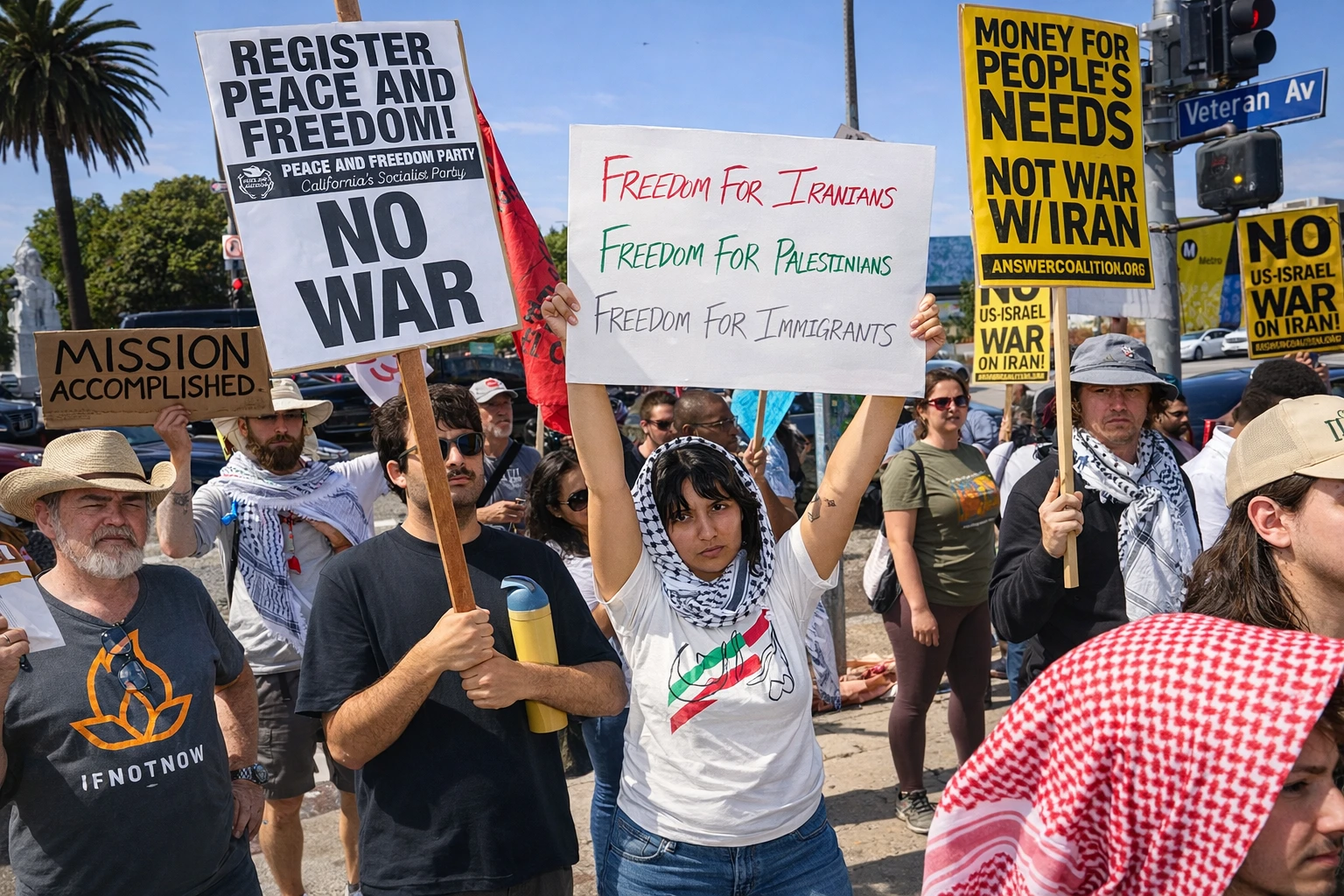
In the last 72 hours, the Middle East has seen the most explosive escalation in decades involving Iran, Israel, the United States and allied forces — with consequences rippling across the globe. What began as a simmering geopolitical crisis has now turned into open conflict, shifting military alliances, global markets, and international diplomacy in real time. Here’s a clear, deep-dive breakdown of where things stand, the global reactions, and what might happen next.
Current State of the Conflict: A Sudden Escalation
Late on February 28, 2026, coordinated air and missile strikes hit several strategic military and government targets across Iran, launched by Israel and the United States in what was described by Israeli officials as Operation Lion’s Roar (Israel) and Operation Epic Fury (U.S.). These strikes reportedly included attacks on command centers, Revolutionary Guard Corps infrastructure, missile launch sites, and other strategic targets across Tehran and other Iranian cities.
The offensive has dramatically escalated violence across the region:
- Iran’s Supreme Leader Ayatollah Ali Khamenei was confirmed killed in an airstrike targeting his compound, a historic turning point that has deep strategic and symbolic impact.
- Iran has launched waves of retaliatory missile and drone strikes against Israel and U.S. military bases in multiple Gulf states, including Bahrain, Kuwait, Qatar and the UAE.
- Major targets in Israel’s defense infrastructure and military headquarters were also hit, according to Iranian state media reports.
- Hezbollah, the Iran-aligned militant group in Lebanon, has begun launching missiles into northern Israel, prompting heavy Israeli airstrikes across southern Lebanon and in Beirut’s suburbs.
This rapid chain of back-and-forth violence has transformed what was previously a regional tension into an active multi-front conflict.
Global Reactions: Splits, Condemnations, and Cautions
The world’s response has been starkly divided, reflecting global geopolitical fault lines:
Diplomacy & International Bodies
- The United Nations Security Council held emergency sessions, with calls from some nations for immediate ceasefire and de-escalation to prevent the conflict from widening.
- EU leaders and other European partners have urged maximum restraint and warned against further regional escalation.
Western Powers
- The United States and Israel defend the operation as a necessary military action against Iran’s nuclear and missile ambitions. U.S. officials insist strikes are lawful and aimed at crippling Tehran’s military capacities.
- Several NATO members have expressed concern about a broader Middle East war and called for diplomatic channels to be reopened.
Regional Responses
- Many Middle Eastern governments—including Arab Gulf states that host U.S. bases—are balancing public condemnation of Iran’s retaliation with fear of getting drawn deeper into the conflict.
- Authorities in Lebanon have publicly urged Hezbollah to avoid entanglement, warning that further escalation could devastate the country.
Non-Aligned Nations
- Countries in Africa, Asia, and Latin America have largely emphasized the need for dialogue and peaceful resolution, with several calling for humanitarian protections and negotiations.
Human Cost & Market Shockwaves
Though accurate numbers are still emerging in this rapidly shifting situation:
- Iranian medical and official sources indicate hundreds of civilian casualties and many more injured, including reports of schools and residential areas struck.
- The death of Iran’s supreme leader and senior commanders has already triggered mobilization orders and widespread internal security operations.
Beyond human tragedy, this conflict is having immediate global economic repercussions:
- Oil and energy markets are sharply volatile, with fears that instability in the Strait of Hormuz could disrupt a crucial route for about 20% of global seaborne oil.
- Travel disruptions, shipping delays, and risk-premium spikes on international markets reflect investor anxiety over sustained regional conflict.
What Happens Next? Potential Scenarios
Experts are debating several possible paths forward, ranging from limited regional conflict to broader international war:
1. Continued Escalation
If Iran’s retaliatory strikes and proxy involvement (like Hezbollah) sharpen, the conflict could spread into Lebanon, Syria, Iraq, and even impact the Red Sea and Arabian Peninsula.
2. Proxy Fronts Expand
Iran and allied militias could intensify their operations against Israel and Western forces via non-state actors across the Middle East — increasing instability even if direct armies avoid full confrontation.
3. Diplomatic De-escalation
Intense diplomatic pressure from Europe, China, Turkey, and others could create a backchanneled pause, potentially reopening negotiations to avoid catastrophic regional war.
4. Economic and Strategic Shift
Global realignments—especially in oil markets, military logistics, and diplomatic alliances—will continue shaping outcomes long after the immediate violence subsides.
Bottom Line
The Iran conflict has rapidly shifted from decades-long regional friction into a full-scale military confrontation involving superpowers, regional powers, and multiple fronts. The fallout is already affecting geopolitics, global energy markets, and international diplomacy.
With no clear end in sight, the world watches a conflict that could define global order in the years ahead.
