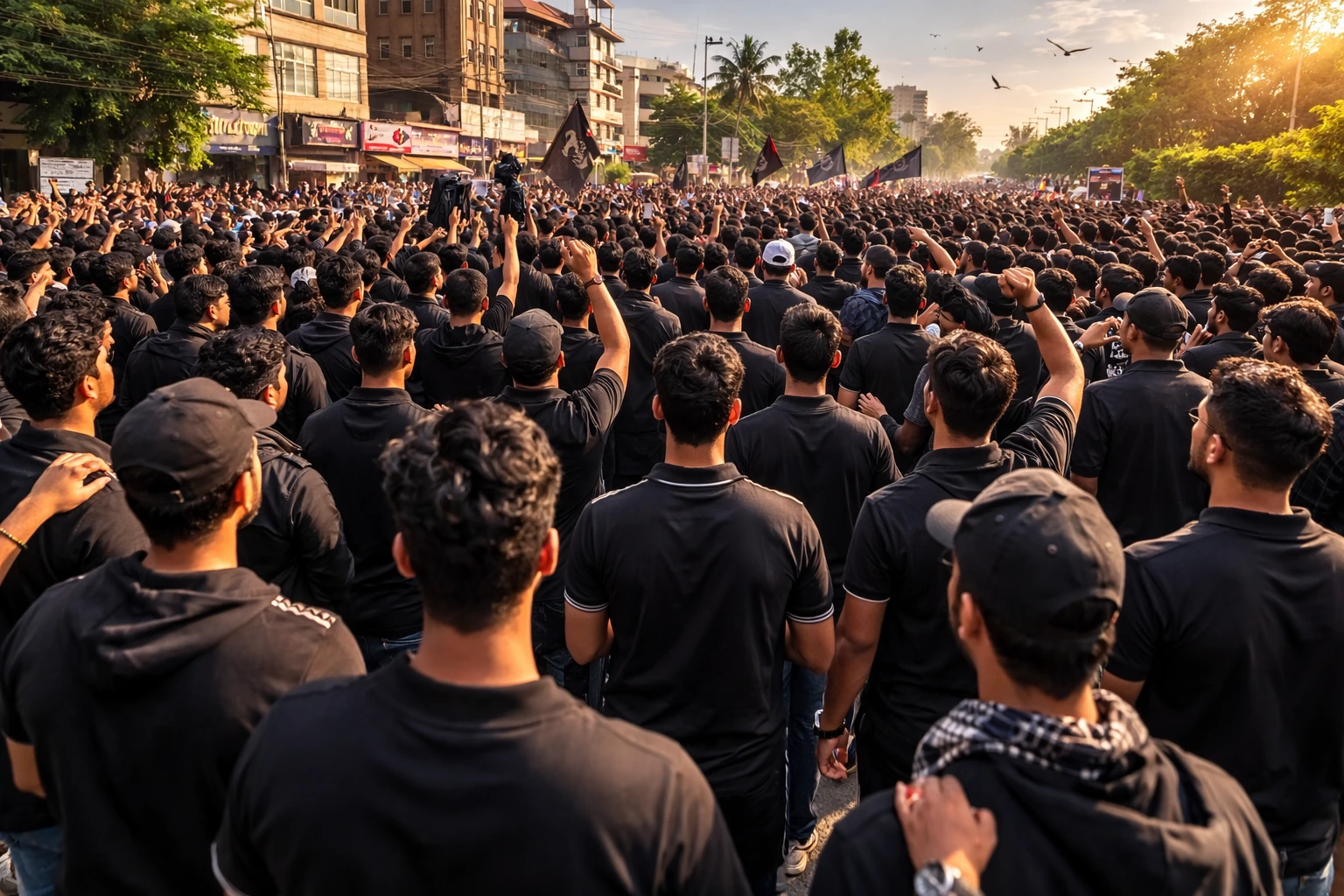
As universities across Iran reopen for the new academic term, students are once again taking to the streets in powerful anti-regime protests. The latest wave of demonstrations highlights growing frustration among young Iranians over political restrictions, economic struggles, and limited personal freedoms.
The renewed Iran protests are drawing global attention, as university campuses become the center of dissent. Many analysts say students have historically played a key role in shaping political movements inside the country — and this time appears no different.
Why Are Iran Students Protesting Again?
The reopening of universities has given students a space to reconnect, organize, and voice their concerns. Protesters are demanding greater freedom of speech, academic independence, and political reform. Many are also criticizing the government’s strict enforcement of social policies.
Over the past few years, Iran has experienced waves of unrest, especially following high-profile incidents involving morality laws and civil rights. University students, often at the forefront of social change, are now once again challenging the country’s leadership.
Chants heard on campuses reflect anger over economic hardship, rising inflation, and unemployment — issues that deeply impact Iran’s youth. With limited job prospects after graduation, many students say they feel their futures are uncertain.
Universities Become Protest Hubs
Campuses in major cities, including Tehran, have seen gatherings where students chant slogans and hold peaceful demonstrations. In some cases, security forces have reportedly been deployed to monitor or disperse crowds.
Universities in Iran have long been centers of political activism. From past reform movements to recent demonstrations, students continue to use academic spaces as platforms for change. Social media videos circulating online show large groups rallying, despite warnings from authorities.
Experts believe the reopening of universities provided the perfect timing for protests to resurface. After months of tight controls and academic suspensions, students appear determined to keep their voices heard.
Government Response and Crackdowns
Authorities have responded cautiously but firmly. Reports suggest increased security presence on campuses and warnings against organizing unauthorized gatherings. In previous protest waves, arrests and disciplinary actions were reported.
The Iranian government has often described such protests as influenced by foreign interference. However, many students insist their demands are rooted in domestic concerns, particularly around civil liberties and economic reform.
Human rights organizations are closely monitoring the situation, calling for restraint and protection of students’ rights to peaceful assembly.
The Bigger Picture: Youth Frustration in Iran
More than half of Iran’s population is under the age of 35. This young demographic faces rising living costs, limited employment opportunities, and restrictions on social freedoms. Many students argue that reforms are necessary to secure a better future.
The anti-regime protests also reflect deeper societal tensions. While some citizens support gradual reform, others are calling for broader systemic change.
International observers are watching developments carefully, as renewed Iran student protests could influence both domestic stability and foreign policy discussions.
What Happens Next?
It remains unclear whether the demonstrations will grow into a nationwide movement or remain centered on university campuses. Much depends on how authorities respond and whether broader segments of society join the protests.
For now, students appear determined to continue expressing their demands. As universities reopen across Iran, campuses are once again becoming symbols of resistance and hope for change.
The coming weeks will likely determine whether this new wave of Iran protests marks another turning point in the country’s ongoing struggle between youth activism and government authority.
