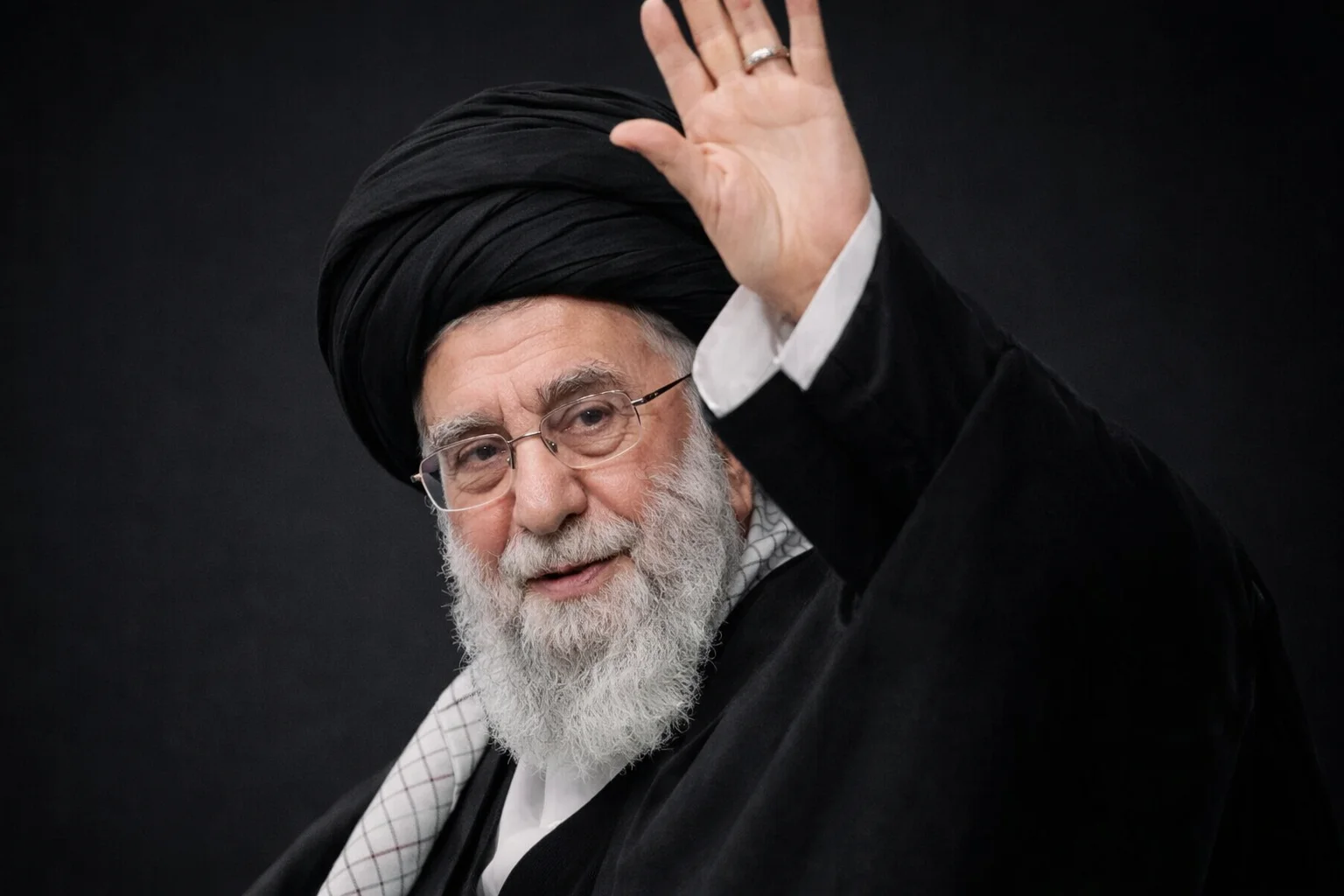
In a dramatic and unprecedented escalation in the Middle East, Iran’s Supreme Leader, Ayatollah Ali Khamenei, has been confirmed killed in a coordinated military strike by the United States and Israel — a development that could reshape regional geopolitics and send shockwaves through the global order.
Iranian state media and Western officials both confirmed the death of Khamenei early Sunday, following a massive aerial campaign launched on Saturday targeting Tehran and other strategic sites. U.S. President Donald Trump publicly announced the killing on social media, describing it as a historic blow to Iran’s leadership and a chance for Iranians to reclaim their nation from authoritarian rule.
At 86 years old, Khamenei had ruled Iran as its highest authority since 1989, overseeing both its theocratic political system and powerful military institutions including the Islamic Revolutionary Guard Corps (IRGC). His death marks the end of over three decades of rule defined by relentless confrontation with Western powers and internal suppression of dissent.
The Attack and Immediate Aftermath
The joint U.S.–Israeli strikes involved precision bombing and missile barrages targeting Iran’s leadership compounds and military facilities in Tehran. Iranian state television reported that Khamenei was killed when sections of his compound were destroyed, and confirmed that several members of his close family also perished in the attack.
In response, Iran launched its own series of missile and drone strikes against U.S. military bases and strategic targets across the Middle East, including in Gulf countries and Israel, resulting in casualties on multiple fronts.
Succession Crisis and Power Vacuum
With no clear successor named, Iran now faces a significant leadership vacuum. Under Iranian law, the Assembly of Experts is tasked with choosing the next Supreme Leader — a process that could deepen factional tensions between hard-liners, moderates, and the influential IRGC.
Tehran has declared 40 days of national mourning and several days of public holidays in honor of Khamenei, whom the state now refers to as a martyr. Yet public reaction has been mixed, with reports of both mourning and spontaneous celebrations in some Iranian cities.
Global Reactions and Diplomatic Fallout
World leaders are scrambling to respond. The United Nations Security Council convened an emergency session as calls for restraint and diplomacy intensified. Russia and China condemned the strikes as provocative, while U.S. and Israeli officials defended the operation as a necessary measure to curb Tehran’s nuclear ambitions and alleged support for proxy militias.
Analysts warn that Khamenei’s death could trigger a wider regional conflict, with unpredictable consequences for global oil markets, international alliances, and security across the Middle East.
Why It Matters
The killing of Ayatollah Khamenei — one of the world’s most powerful and long-standing authoritarian leaders — is being described by experts as a turning point in Middle Eastern politics. For decades, he stood as the face of resistance against the United States and Israel, backing proxy militias and shaping Tehran’s regional strategy from Iraq and Syria to Lebanon and Yemen.
Now his absence opens the door to both greater instability and potential opportunities for political change within Iran — but also greater risk of escalation in a region already strained by decades of conflict.
