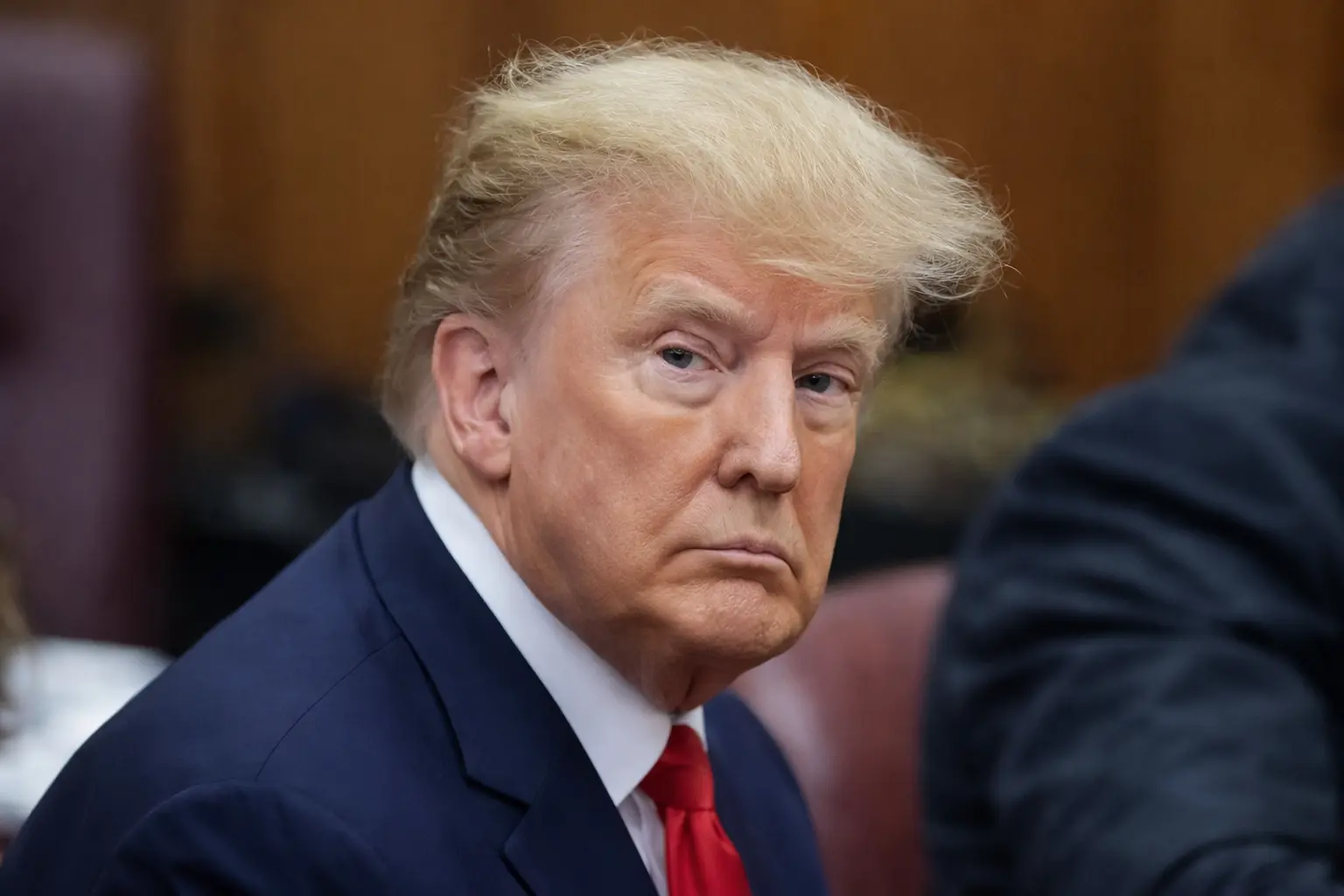
Global oil prices jumped to their highest level in six months after former U.S. President Donald Trump warned that “bad things” could happen if a new agreement with Iran is not reached. The strong statement added fresh tension to already fragile global markets and pushed crude prices sharply higher.
Energy traders reacted quickly to the comments, fearing that rising geopolitical tensions could disrupt oil supplies in the Middle East. As a result, both major oil benchmarks moved up significantly during trading.
Why Oil Prices Are Rising
Oil prices are extremely sensitive to political tensions — especially in the Middle East, which produces a large share of the world’s crude oil. Any risk of conflict or sanctions can lead to fears of supply shortages.
After Trump’s warning, investors began worrying that:
- Sanctions on Iran could tighten
- Oil exports from Iran could be restricted
- Military tensions in the region could increase
- Global oil supply could shrink
When supply fears rise, prices usually go up. That’s exactly what happened this week.
What Trump Said About Iran
Speaking at a public event, Trump said Iran would face “very bad things” if it refuses to agree to a new deal with the United States. While he did not provide specific details, the tone of the message signaled a tougher stance on Tehran.
The U.S.-Iran relationship has remained tense since the U.S. withdrew from the 2015 nuclear agreement during Trump’s presidency. That deal, officially known as the Joint Comprehensive Plan of Action (JCPOA), aimed to limit Iran’s nuclear program in exchange for sanctions relief.
Since then, negotiations have been uncertain, and markets closely watch any political developments involving Iran.
Impact on Global Oil Markets
Iran is one of the world’s key oil producers and a member of Organization of the Petroleum Exporting Countries (OPEC). If its oil exports face new restrictions, global supply could tighten quickly.
This week’s price surge reflects growing concerns that:
- Iranian oil shipments could decrease
- Regional instability could disrupt shipping routes
- Other oil-producing nations may struggle to increase output quickly
Even the possibility of conflict or stricter sanctions is enough to move oil markets sharply.
How This Affects Gas Prices in the U.S.
Higher oil prices often lead to higher gasoline prices in the United States. When crude oil becomes more expensive, refining and distribution costs rise as well.
If tensions continue to grow, Americans could see:
- Higher prices at the pump
- Increased transportation costs
- Slight increases in consumer goods prices
However, experts say it’s too early to predict how long the price surge will last.
Broader Economic Concerns
Rising oil prices can also impact inflation. Energy costs play a big role in overall consumer prices. If oil continues climbing, it could add pressure to inflation rates that have already been closely monitored by policymakers.
Global markets are also watching how other countries respond. Diplomatic efforts could calm markets, but any sign of escalation could push prices even higher.
What Happens Next?
The next few weeks will be critical. Investors will be watching:
- Any official response from Iran
- Statements from the White House
- OPEC production decisions
- Developments in Middle East security
If negotiations move forward, oil prices could stabilize. But if tensions rise further, prices may continue climbing.
Final Thoughts
Oil prices hitting a six-month high shows how sensitive global markets are to political tensions. Trump’s warning to Iran has added fresh uncertainty, and traders are reacting quickly.
For now, drivers and businesses alike should prepare for possible higher fuel costs. The situation remains fluid, and markets will continue to respond to every new development.
