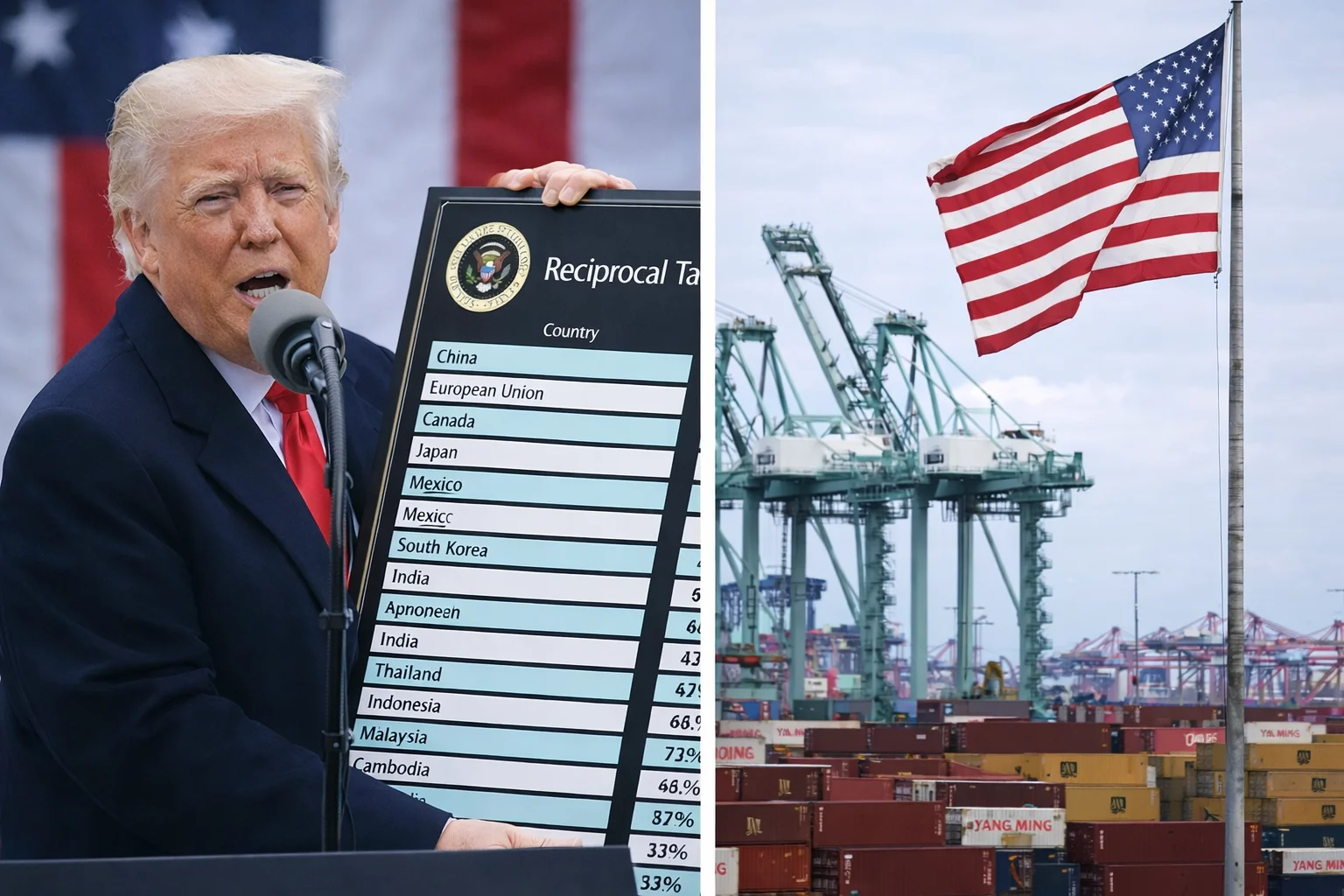
The debate over Trump’s tariffs is back in the spotlight after a major decision from the Supreme Court of the United States. The ruling has sparked fresh discussions about trade policy, presidential powers, and what it all means for businesses and everyday consumers.
1. What the Supreme Court Decision Was About
The Supreme Court of the United States reviewed legal challenges related to tariffs imposed during the presidency of Donald Trump.
The core question?
Did the president have the authority to impose these tariffs under existing trade laws?
The Court’s decision clarified how much power a president has when using national security or trade laws to set tariffs. While it didn’t erase tariffs overnight, it reshaped how future legal challenges could move forward.
2. What These Tariffs Were Originally Meant to Do
During his time in office, Donald Trump introduced tariffs mainly targeting imports from countries like China. The goal was to:
- Protect American manufacturing
- Reduce the U.S. trade deficit
- Pressure foreign governments into new trade deals
- Strengthen national security industries
The administration argued that certain imports threatened U.S. economic and national security interests.
3. How the Decision Affects Current Tariffs
The ruling does not automatically remove all Trump-era tariffs. Instead, it:
- Clarifies legal standards for challenging tariffs
- May open the door for new lawsuits
- Defines how far executive power can go
This means some tariffs could remain in place unless Congress or future administrations decide otherwise.
4. What It Means for American Consumers
Tariffs are essentially taxes on imported goods. When companies pay more to import products, that cost can get passed down to shoppers.
After years of tariffs:
- Prices on certain electronics, appliances, and materials increased
- Some businesses shifted supply chains
- Consumers felt higher costs in some categories
The Supreme Court decision could influence whether those tariffs continue long-term — which may impact pricing in the future.
5. Impact on U.S.–China Trade Relations
A big part of Trump’s tariff strategy focused on China. The trade tensions led to a series of negotiations and agreements, including the “Phase One” trade deal.
Now, with the Court stepping in, future trade policy toward China may:
- Become more legally structured
- Face stronger judicial oversight
- Require clearer justification under trade laws
Trade relations between the U.S. and China remain complex, and this decision adds another layer.
6. What This Means for Presidential Power
One of the most important takeaways is about executive authority.
The ruling signals that while presidents have broad trade powers, those powers are not unlimited. Courts can review and potentially limit how trade laws are interpreted.
This decision may influence not just past tariffs — but how future presidents use emergency or national security powers in trade policy.
7. What Happens Next?
Here’s what to watch moving forward:
- Possible new legal challenges
- Congressional action on trade authority
- Adjustments by the current administration
- Business reactions and supply chain shifts
Trade policy doesn’t change overnight, but this ruling could shape long-term economic strategy.
Why This Matters Now
Tariffs affect:
- Small businesses
- Manufacturers
- Farmers
- Retailers
- Everyday American families
With inflation and global supply chain issues already in focus, any change in tariff policy could influence prices and economic stability.
Final Thoughts
The recent decision by the Supreme Court of the United States doesn’t immediately erase Trump-era tariffs — but it redefines the legal framework around them.
For voters, businesses, and policymakers, this moment could mark a turning point in how trade power is used in America.
